The GLP1Forum "Recommended supplier" thread has accumulated 558,000+ views and 2,000+ replies — this is not scattered anxiety, this is a structural trust crisis. The core problem every researcher faces: when forty Chinese factories and twenty Western resellers all claim 99% purity, whose data actually holds up under third-party scrutiny?
The Batch-Specific COA: Your First Line of Defense
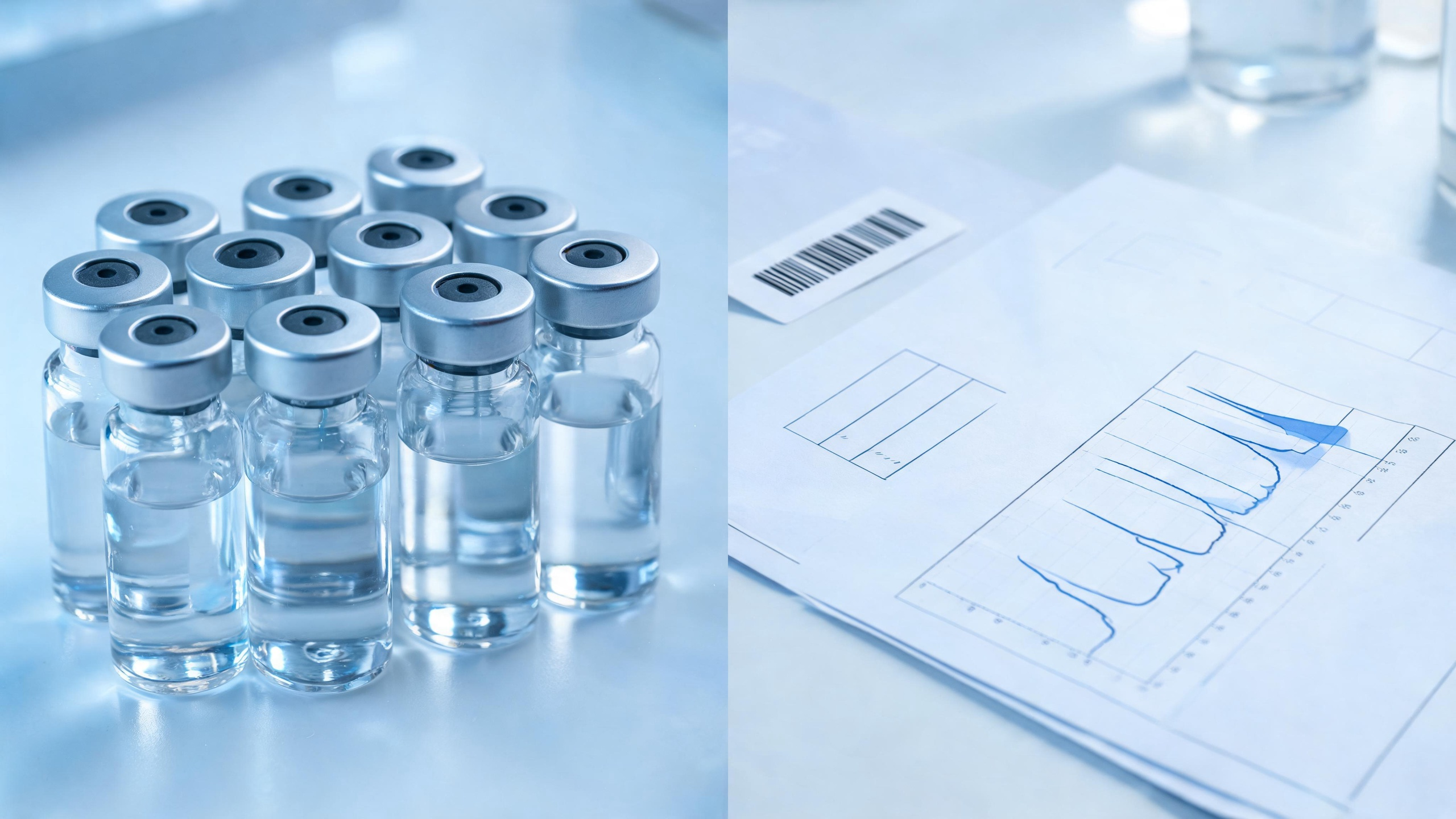
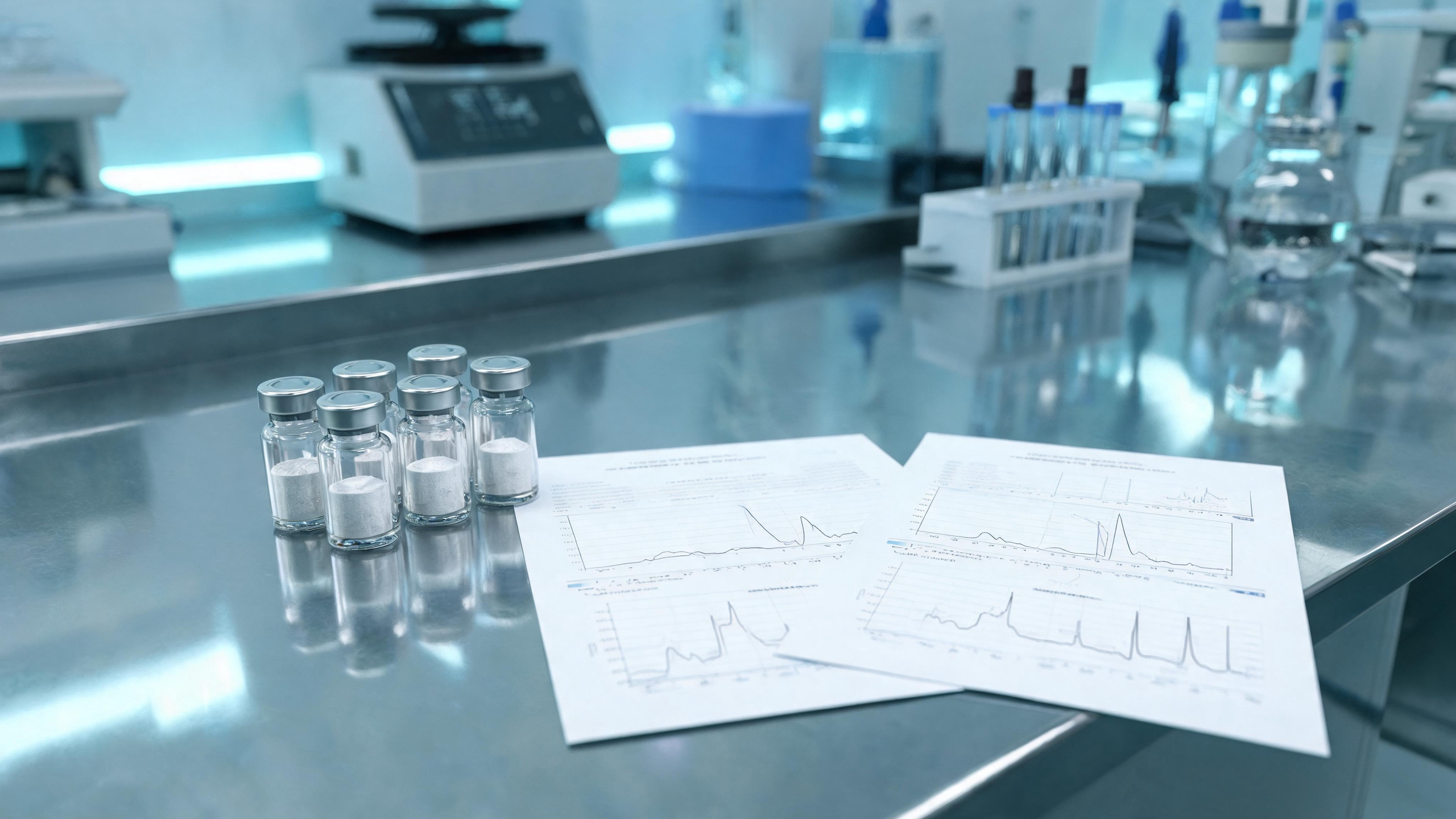
At minimum, demand a batch-specific Certificate of Analysis — not a templated PDF with the same chromatogram recycled across twelve products. A legitimate COA includes: the batch number printed on your physical vial, the HPLC chromatogram with integration area percentages, the mass spectrum confirming molecular weight within ±0.5 Da, endotoxin quantified via LAL assay (<0.5 EU/mg), and residual solvent levels (≤500 ppm per ICH Q3C).
If the vendor cannot map your specific vial to a specific COA with a verifiable lab identifier, you are operating on blind trust — and blind trust has no place in analytical research.
The Bulk Discount Trap
Community data across r/peptides, GLP1Forum, and ThinkSteroids shows a consistent pattern: when Retatrutide R20 (20 mg) drops below $0.80/mg without a complete HPLC+MS report, the probability of sub-specification concentration or degradation exceeds 60%. Price alone is a negative signal below certain thresholds — legitimate synthesis at scale has a floor cost, and anyone pricing below it is cutting something.
The Retention Sample Research Workflow
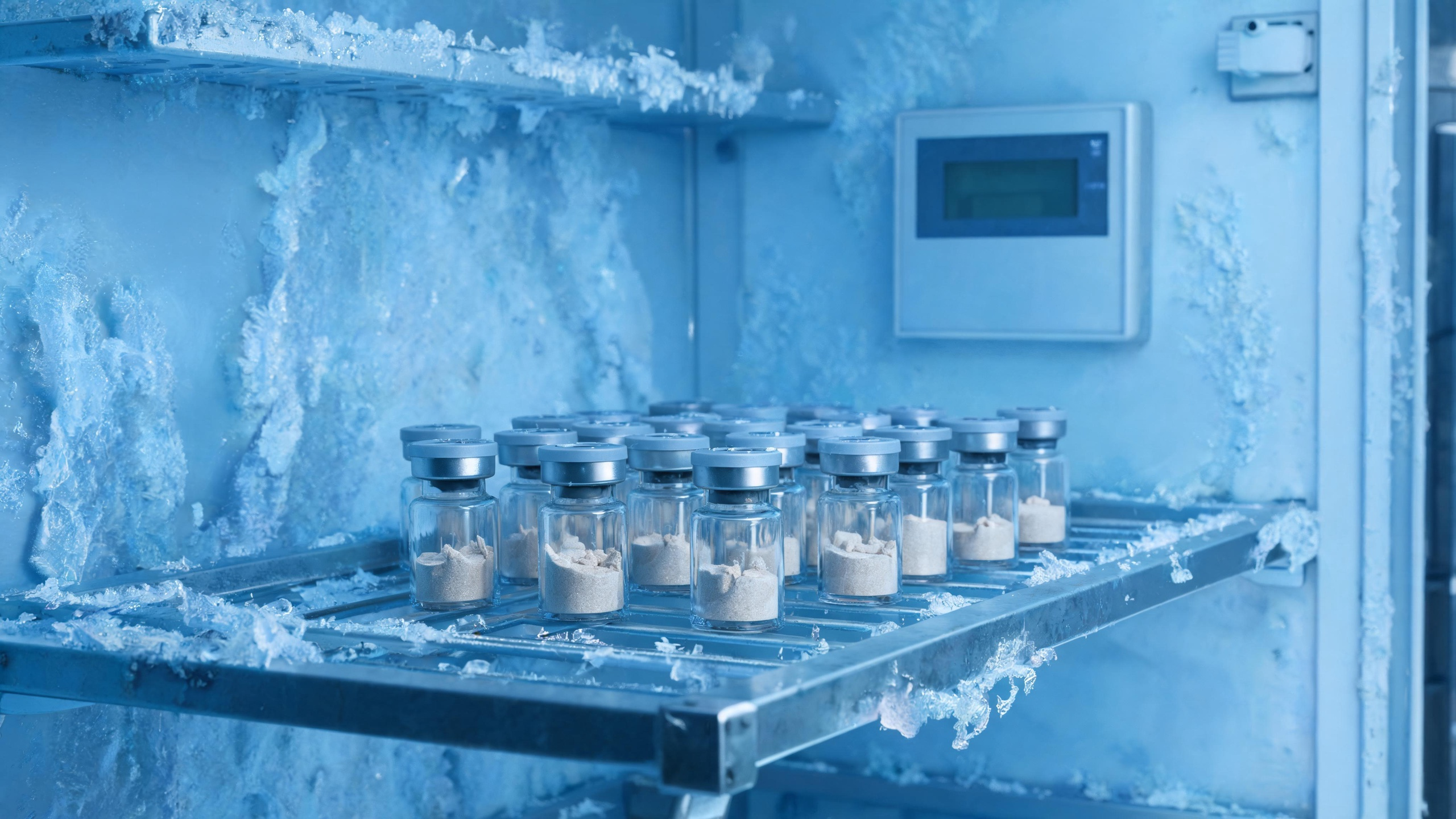
Mature suppliers maintain a batch retention sample — at least one lyophilized vial from every production batch held at -20°C for 12 months. This is your insurance policy: if a batch shows anomalous results mid-cycle, the retained sample can be shipped to an independent lab for retrospective verification. Ask your vendor explicitly: "Do you retain batch samples, and will you release one for third-party testing?" Silence is your answer.
The community consensus is unambiguous: spend 15-20% more for a supplier with auditable, batch-linked third-party COAs. The alternative — introducing an unverified substance to a research model — is not a cost-saving measure. It is a research workflow failure.
Ourovia research note: All Ourovia vials carry a printed Batch ID that maps directly to an HPLC/MS report. For emerging compounds without published third-party data, our Community Testing Bounty reimburses the first independent researcher who submits a blind-sample COA to an accredited lab — full testing cost plus a $100 research credit. We do not ask you to trust us; we fund your verification.